Duurzaamheid vertegenwoordigt een transformatieve verschuiving in de mode-industrie. Als u van plan bent om hieraan deel te nemen, is het cruciaal om op de hoogte te blijven van trends en strategieën te verkennen om winst te maken. Deze blog is een one-stop-bestemming die uw vragen beantwoordt over hoe de mode-industrie duurzamer kan worden. Blijf lezen om een sprankje eco-bewustzijn toe te voegen aan uw aankomende en bestaande duurzame modebedrijfsmodel.
Kan mode duurzaam zijn?
Ja , mode kan duurzaam zijn, maar het is een uitdaging om consumenten met de industrie te verbinden. Het overwinnen van deze uitdagingen is cruciaal voor het versterken van merken en het bevorderen van duurzaamheid op de lange termijn door aandacht te besteden aan sociale en milieukwesties.
Hoe kan de mode-industrie duurzamer worden?
De mode-industrie staat voor een duurzaamheidsuitdaging, die een verschuiving naar circulaire modellen vereist om de impact op het milieu te verminderen. Klanten geven de voorkeur aan milieuvriendelijke modebedrijfsmodellen, waardoor ontwerpers en merken actief op zoek gaan naar duurzame oplossingen. Laten we nu eens kijken naar fast fashion-oplossingen voor bedrijven om milieuvriendelijker te worden:
1. Duurzaam materiaalgebruik

Kledingbedrijven die prioriteit geven aan een positieve impact, leggen de nadruk op het gebruik van natuurlijke, milieuvriendelijke producten zoals katoen, linnen of wol. Deze biologisch afbreekbare materialen spelen een cruciale rol bij het verminderen van de ecologische voetafdruk op de lange termijn, in vergelijking met hun persistente synthetische tegenhangers.
A. Verantwoordelijke inkoop
Een grondige analyse van productlevenscycli omvat onderzoek naar de herkomst van vezels, teeltmethoden en het gebruik van biologische en regeneratieve landbouwmethoden. Merken promoten actief innovaties in de verf- en textielproductie en dragen zo bij aan een circulaire economie door afgedankt textiel een nieuwe bestemming te geven.
B. Aanname van duurzame materialen
Modebedrijven kiezen steeds vaker voor materialen die afkomstig zijn van hernieuwbare bronnen , waarbij ze tegelijkertijd de milieu-, sociale en economische impact ervan beoordelen, inclusief CO2-uitstoot en vernietiging van leefgebieden. Dit omvat onder andere:
- Gerecyclede/upcyclede stoffen
- Biobased materialen zoals pesticidenvrij katoen
- Natuurlijk afbreekbaar conventionele materialen zoals wol of zijde
- Sommige merken gebruiken ook biologisch katoen, BCI-katoen of gerecycled polyester, evenals natuurlijke kleurstoffen afkomstig van planten of dieren.
C. Het verkennen van natuurlijke alternatieven en innovaties
Merken onderzoeken alternatieven zoals hennep, ramie of bamboe, met het duurzame modebedrijfsmodel in gedachten. Ontwerpers experimenteren met biologisch en regeneratief katoen, dat laatste geteeld zonder pesticiden en met behulp van bodemverbeterende methoden. Enkele voorbeelden van innovaties zijn:
- Textiel gemaakt van landbouwafval met behulp van nanotechnologie
- Zijdeachtige materialen gemaakt van oranje cellulose
- Ontwikkeling van materialen uit kapokboompeulen
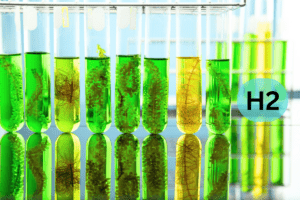
- Biogarens afgeleid van algen
Zie ook: Meer dan 20 milieuvriendelijke uitvindingen voor de toekomst die de planeet kunnen redden
2. Minimaliseren van waterverbruik
Gezien het hoge waterverbruik van de mode-industrie is het verminderen van het waterverbruik cruciaal om de impact op het milieu te verminderen. Modemerken kunnen de volgende strategieën gebruiken:
A. Overstappen op duurzame materialen
De mode-industrie kan duurzamer worden door biologisch katoen of gerecyclede stoffen te gebruiken om het waterverbruik te verminderen, wat aansluit bij haar focus op duurzame inkoop.
B. Waterbesparende praktijken in de textielproductie
Watergebruik in processen zoals verven en afwerken wordt verminderd door specifieke strategieën te implementeren zoals lasersnijden en wassen in denim. Deze methoden verminderen niet alleen het totale waterverbruik, maar verlagen ook de afvalproductie.
C. Waterbesparende praktijken
Het invoeren van waterbesparende maatregelen houdt in dat u waterbesparende technologieën implementeert en voortdurend toezicht houdt op verantwoord waterbeheer.
3. Vermijden van schadelijke chemicaliën

Het elimineren van gevaarlijke chemicaliën uit de toeleveringsketen verlaagt de productiekosten, wat een positieve impact heeft op het milieu. Overwegingen en strategieën omvatten:
A. Chemische eliminatie uit toeleveringsketens
Probeer leveranciers te vinden die bereid zijn hun chemische gebruik bekend te maken om de veiligheid van mensen en het milieu te waarborgen. Het verminderen van het gebruik van gevaarlijke chemicaliën beschermt de gezondheid van de mens en pakt tegelijkertijd milieuproblemen aan.
B. Verftechnieken met weinig water
Door gebruik te maken van waterbesparende verftechnieken zoals lucht- of schuimverven, wordt het water-, chemicaliën- en energieverbruik verminderd. Deze dubbele aanpak sluit aan bij duurzaamheidsprincipes en pakt zowel milieuproblemen als het behoud van natuurlijke hulpbronnen aan.
C. Overgang naar natuurlijke, milieuvriendelijke materialen
Door over te stappen van synthetische materialen in textiel kan de vervuiling van rivieren en oceanen met microplastics worden verminderd . In 2022 bestond ongeveer 54% van de kleding uit synthetische materialen, en de overgang naar natuurlijke alternatieven is cruciaal voor een duurzaam milieu.
Voor aspirant-ondernemers die een duurzaam merk willen lanceren, of voor degenen die al in de branche actief zijn en op zoek zijn naar inspiratie, biedt deze zorgvuldig samengestelde lijst met kledingmerken inzicht in hoe je je merkidentiteit vorm kunt geven.
4. Zorgen voor eerlijke arbeidsomstandigheden

Gezien de afhankelijkheid van de industrie van goedkope, uitbestede arbeidskrachten, vormt de behandeling van deze werknemers een aanzienlijke uitdaging. Hieronder een overzicht van de problemen en mogelijke oplossingen:
A. Adresseren Arbeid Problemen
Sommige modebedrijven verbeteren de arbeidsomstandigheden, maar de meeste hebben nog steeds verbeteringen nodig op het gebied van eerlijke lonen, een veilige werkomgeving en mensenrechten . Er is een dringende behoefte aan sectorbrede verbeteringen van de arbeidspraktijken.
B. Coöperaties in handen van werknemers
Het gebruik van coöperaties in handen van werknemers garandeert een eerlijke beloning en geeft werknemers zeggenschap over hun arbeidsomstandigheden. Inkoop bij dergelijke coöperaties vermindert oneerlijke arbeidspraktijken en houdt zich tegelijkertijd aan eerlijke handelspraktijken en ethische principes.
C. Toewijding aan het verbeteren van de werkomstandigheden
Ethische bedrijven promoten eerlijke lonen, pauzes, bonussen, secundaire arbeidsvoorwaarden, opleidingen voor kansarme vrouwen, veilige werkomstandigheden en duurzaamheid in de mode-industrie.
5. Transparantie in de toeleveringsketen met blockchain

Blockchain stelt merken en consumenten in staat om de herkomst van materialen en producten te traceren, wat ethische en duurzame productie bevordert. De belangrijke overwegingen van een duurzaam modebedrijfsmodel omvatten het volgende:
- Bevorder transparantie en duurzame praktijken in de toeleveringsketens van de mode-industrie om voldoen aan de verwachtingen van de klant en de duurzaamheid verbeteren.
- Blockchain biedt realtime updates over productproductie, het vertrouwen vergroten en de reputatie versterken.
- Om duurzaamheid te bereiken, moet elk aspect van een product in kaart worden gebracht, inclusief de materialen, productiepraktijken, het productgebruik en overwegingen rond het einde van de levensduur.
- Blockchain registreert elke fase van de levenscyclus van een kledingstuk in een fraudebestendig register, dat vaak zichtbaar is via QR-codes.
- Transparantie is van cruciaal belang bij de bestrijding greenwashing, waar bedrijven hun duurzaamheidsinspanningen verkeerd voorstellen.
6. Hernieuwbare energie: mode duurzaam van stroom voorzien

Hernieuwbare energie en efficiëntie zijn essentieel voor duurzame mode. Ze verminderen emissies en beschermen het milieu om een duurzame toekomst te creëren. Voorbeelden van toepassingen van hernieuwbare energie in mode zijn:
- Zonne-energie:Het gebruik van zonnepanelen om elektriciteit op te wekken in faciliteiten en magazijnen om zo de afhankelijkheid van fossiele brandstoffen te verminderen.
- Wind Power: Het gebruik van windturbines in winderige gebieden om energie op te wekken groene stroom zonder de uitstoot van broeikasgassen.
- Waterkracht:Het gebruiken van de energie van stromend water in rivieren of watervallen om elektriciteit op te wekken, wat een duurzame energiebron oplevert.
- Energie-efficiëntie: Verbetering van de energie-efficiëntie door het gebruik van energiezuinige verlichting, apparaten en energiebeheersystemen en door het verminderen van afval.
7. Milieuvriendelijke verpakking

De milieuvriendelijke verpakking van mode promoot duurzaamheid, maar het is belangrijk om te begrijpen dat recyclebare verpakkingen niet altijd duurzaamheid garanderen. Onder de verschillende milieuvriendelijke verpakkingspraktijken die worden gebruikt om de impact op het milieu te verminderen, zijn:
- Biologisch afbreekbare materialen: Materialen die op natuurlijke wijze afbreken, zoals maïszetmeel of kunststoffen op plantaardige basis.
- Recyclebare materialen:Kies recyclebare materialen zoals papier of karton om afval te verminderen en een circulaire economie.
- Minimale verpakking: Minder plastic of andere materialen gebruiken in de verpakking van modeproducten om afval te verminderen. Vermijd onnodige elementen zoals hangtags en plastic clips in kledingverpakkingen.
- Duurzame productie: Gebruik van duurzame methoden die de nadruk leggen op verantwoord inkopen, veilig ontwerp, gebruik van hernieuwbare energie, herbruikbaarheid en recyclebaarheid.
- Branding en marketing:Mode kan duurzamer zijn met milieuvriendelijke verpakkingen. Zo laat je zien dat je duurzaamheid belangrijk vindt, zonder dat het je veel geld kost.
U kunt de duurzaamheidsbet commitment van uw merk ook versterken door de lijst van 40 duurzame verpakkingsfabrikanten te bekijken , die zich inzetten voor het minimaliseren van hun ecologische voetafdruk en tegelijkertijd innovatieve verpakkingsoplossingen bieden.
8. Circulaire modepraktijken voor bedrijfsgroei

Circulaire mode is het proces van het ontwerpen, produceren en consumeren van kleding in een gesloten kringloopsysteem om afval te verminderen en het gebruik van hulpbronnen te maximaliseren. Hieronder volgen voorbeelden van circulaire modepraktijken:
- Ontwerp voor circulariteit:Het creëren van producten van recyclebare of biologisch afbreekbare materialen, evenals het ontwerpen van producten die gemakkelijk uit elkaar te halen zijn voor hergebruik of recycling.
- Verlenging van de levensduur van het product: De levensduur van een product verlengen door het te repareren, op te knappen of te upcyclen, waardoor er minder afval ontstaat.
- Verhuur en wederverkoop: Het aanbieden van verhuur- en wederverkoopopties om de vraag naar nieuwe artikelen te verminderen en afval te verminderen.
- Recycling en upcycling:Het gebruiken van gerecyclede materialen om nieuwe producten te creëren, zoals het transformeren van afgedankte stoffen in nieuwe kledingstukken of innovatieve ontwerpen.
- Afvalvermindering: Afval verminderen door moderne snijtechnologieën, artikelen op aanvraag produceren en het materiaalgebruik optimaliseren.
9. Eco-efficiënte modeproductie

Merken verbeteren de klantervaring door aankopen op de lange termijn te stimuleren, reparatieservices aan te bieden en deel te nemen aan herontwerp-, recycling- en upcyclinginitiatieven . De volgende punten zijn belangrijke overwegingen bij de productie:
- Monitoring van vervuiling en het verminderen van het productievolume pakt de impact van de productie effectief aan en biedt fast fashion-oplossingen voor bedrijven.
- Door de verschuiving van constante groei naar afvalvermindering kunnen sociale ondernemers en merken hun succes in de mode opnieuw definiëren.
- Het dichten van de kloof tussen productie en verkoop stelt bewuste klanten tevreden en vermindert tegelijkertijd de verspilling in de modeproductiecyclus.
- Direct-to-consumer merks gebruiken kleine partijen en op maat gemaakte productiemethoden om alleen te produceren wat nodig is, waardoor overtollige voorraad en verspilling worden beperkt.
- Om de mode-industrie duurzamer te maken, focus op afvalvermindering en duurzaamheid, terwijl er zo min mogelijk restjes stof overblijven tijdens de productie.
- Het duurzame mode-bedrijfsmodel omvat 5 R's: Verminderen, repareren, recyclen, hergebruiken en opnieuw uitvinden.
Bekijk ook eens deze innovatieve manieren om de mode-industrie te betreden met behulp van deze 10 duurzame modebedrijfsideeën die zowel esthetiek als milieuvriendelijkheid vooropstellen.
10. Samenwerking met ambachtslieden en inheemse gemeenschappen

Samenwerking op het gebied van materiaalproductie met traditionele ambachtslieden en inheemse gemeenschappen kan bijdragen aan ecologische, sociale en economische duurzaamheid.
Hieronder worden enkele van dergelijke initiatieven genoemd:
- Workshops over natuurlijke verf en het creëren van zero-waste collecties combineren textielkunst, onderwijs en ondernemerschap om inclusieve en duurzame ontwikkeling te bevorderen.
- Door samen te werken met inheemse gemeenschappen in de toeleveringsketen, helpen we de biodiversiteit en ecosystemen te beschermen met behulp van natuurlijke, biologisch afbreekbare materialen.
11. Consumentgerichte eerlijke en ethische mode
Consumenten geven steeds vaker de voorkeur aan eerlijke en ethische mode-opties, omdat ze de historische wreedheid van de mode-industrie jegens dieren, arbeiders en het milieu erkennen. Hun benaderingen omvatten:
- Problemen oplossen zoals oneerlijke arbeidsvoorwaarden en lage lonen, vooral in sectoren waar vrouwen de boventoon voeren.
- Moderne mode hecht waarde aan veganisme, milieuvriendelijkheid, duurzaamheid en maatschappelijke verantwoordelijkheid. Merken innoveren op het gebied van ethische en diervriendelijke praktijken.
- Geïnformeerde klanten onderzoeken de geschiedenis van hun kledingaankopen en zoeken naar informatie over de productiepraktijken.
- Consumenten kiezen voor ethische mode om Ondersteun transparante toeleveringsketens en het behoud van vakmanschap.
12. Strategische merkboodschap voor duurzaamheid

Merken geven vaak een verkeerd beeld van hun verantwoordelijkheid voor het milieu, maar deze strategie verliest aan populariteit vanwege beter geïnformeerde consumenten en de naderende wetgeving.
- Duurzaamheid vereist kernidentiteit, niet alleen praktijken.
- Omarm het eco-bewustzijn volledig en zet u daadwerkelijk in om de impact op het milieu te minimaliseren om geloofwaardigheid op het gebied van duurzaamheid te verdienen.
- Jongere consumenten zijn bereid meer te betalen voor duurzame producten en voelen zich meer aangetrokken tot bedrijven die duurzaamheid hoog in het vaandel hebben staan.
Lees ook: 8 voorbeelden van economische duurzaamheid die inspireren tot verandering en groei
13. Slow Fashion-beweging

Slow fashion promoot duurzame en ethische mode-industriepraktijken door consumenten aan te moedigen om kleding te kopen voor de lange termijn.
Hieronder staan de principes van de beweging die kunnen worden geïmplementeerd om fast fashion-oplossingen voor bedrijven te ontwikkelen:
- Ethische productie:Eerlijke arbeidspraktijken, veilige werkomstandigheden, eerlijke lonen en transparante toeleveringsketens krijgen prioriteit.
- Kwaliteit boven kwantiteit:De mode-industrie kan duurzamer worden door de nadruk te leggen op duurzame, hoogwaardige ontwerpen om zo het wegwerpkarakter van fast fashion tegen te gaan.
- Lokale productie:Ondersteuning van kleinschalige en lokale productie om de impact op het milieu te verminderen en de lokale economie te stimuleren.
- Consumenteneducatie: Het promoten van duurzame modepraktijken en het vergroten van het bewustzijn over de impact van de industrie op het milieu en de maatschappij.
14. Duurzaam modeadvies
Het inhuren van de diensten van een modeconsultant die zich richt op duurzaamheid kan merken talloze voordelen bieden:
- In eerste instantie helpt zo'n adviseur merken bij het begrijpen van de milieugevolgen van hun producten, een cruciaal aspect van duurzaamheid.
- Ze ontdekken strategieën en geven bruikbaar advies om toekomstige productiepraktijken te verbeteren.
- Bovendien is een op duurzaamheid gerichte modeadviseur een waardevolle aanwinst voor merken op zoek naar duurzame alternatieven in hun inkoopprocessen.
- Tot slot spelen deze consultants een cruciale rol bij het begeleiden van merken bij de transitie naar duurzamere producten.
15. Technologie-integratie

Technologie is essentieel in milieuvriendelijke mode, en staat het gebruik van duurzame materialen en productiemethoden toe die de circulaire economie bevorderen. Technologische toepassingen in het duurzame modebedrijfsmodel omvatten:
- Duurzame materialen Technologie heeft een cruciale rol gespeeld bij de ontwikkeling van plantaardige vervangers, gerecyclede vezels, biologische stoffen en biologisch afbreekbare textielsoorten.
- 3D afdrukken :Deze technologie wordt gebruikt om prototypes te maken, waardoor de behoefte aan fysieke prototypes en materiaalverspilling wordt verminderd.
- Digitaal ontwerp en drukwerk: Wordt gebruikt in de textielindustrie om textielafval en afvalwater te verminderen en tegelijkertijd de nauwkeurigheid en efficiëntie te verhogen.
16. Overwegingen bij het levenseinde

Synthetische materialen zijn duurzaam, waardoor ze een waardevolle investering op de lange termijn zijn. Om verspilling te verminderen, kan een bedrijf de onderstaande praktijken volgen.
- Verkennen verantwoorde verwijderingsopties, zoals textielrecycling en hergebruikdiensten, zijn essentieel voor ethische merken.
- Ethische merken nemen hun verantwoordelijkheid voor hun producten na de verkoop. Ze verkopen hun producten niet door anderen en zorgen ervoor dat hun kleding langer meegaat.
- Door creaties uit voorgaande seizoenen te promoten, stimuleer je het gebruik ervan.
- Ethische merken nemen deel aan terugkoopprogramma's en reparatieservices aanbieden om de levensduur van producten te verlengen, wat blijk geeft van maatschappelijk verantwoord ondernemen.
Bekijk ook het aanbod van de 12 beste duurzame mode-startups voor jouw garderobe , of je nu een beginnende ondernemer bent die een duurzaam merk wil lanceren of op zoek bent naar inspiratie in de branche. Ontdek mode met een doel, waar stijl en duurzaamheid naadloos samenkomen, en doe waardevolle inzichten op om je merk naar een hoger niveau te tillen.
Wat zijn de pijlers van een duurzaam modebedrijfsmodel?
De mode-industrie kan duurzamer worden door rekening te houden met winst, planeet en mensen. Deze principes verbeteren het economische welzijn en de kwaliteit van leven, en beschermen het milieu voor toekomstige generaties. De volgende zijn belangrijke pijlers van het duurzame modebedrijfsmodel:
1. Economische pijler
Duurzaamheid in de mode-industrie omvat het efficiënt gebruik van grondstoffen om winstgevendheid op lange termijn te garanderen . Door praktijken zoals textielrecycling toe te passen, wordt de CO2-uitstoot verminderd en geld bespaard.
Transparante inspanningen trekken bewuste consumenten aan die bereid zijn meer te betalen voor duurzame mode, waardoor deze toegankelijk wordt via kleine oplossingen. Het bevorderen van relaties tussen gemeenschap en bedrijf zorgt voor lokale onafhankelijkheid en toegang tot middelen, en voorkomt economische schade.
2. Milieupijler
De mode-industrie moet haar ecologische voetafdruk, afvalproductie en waterverbruik verminderen en tegelijkertijd de energie-efficiëntie verhogen vanwege de klimaatverandering. Consumenten kunnen bedrijven onder druk zetten om duurzame oplossingen voor fast fashion te implementeren, afval te verminderen en alternatieven te zoeken voor niet-hernieuwbare grondstoffen. Bedrijven moeten ernaar streven om hernieuwbare grondstoffen in een regeneratief tempo te gebruiken, het ecologische evenwicht te bewaren en de biodiversiteit te beschermen.
3. Sociale pijler
Het aanpakken van sociale ongelijkheden en het bevorderen van gezonde gemeenschappen zouden centraal moeten staan in de sociale pijler. Prioriteit geven aan eerlijke arbeidsomstandigheden en duurzame kleding gemaakt van biologische materialen, natuurlijke kleurstoffen en winstdeling voor werknemers is essentieel. Dit beschermt de mensenrechten en arbeidsrechten, de veiligheid van werknemers en de lokale gemeenschapscultuur, en zorgt tegelijkertijd voor non-discriminatie.
Uiteindelijk kan de mode-industrie duurzamer zijn met milieuvriendelijke materialen, waterbesparing en ethische arbeidspraktijken. Bovendien omvatten fast fashion-oplossingen voor bedrijven het creëren van een transparantere toeleveringsketen voor kostenbesparingen op de lange termijn. Blijf op de hoogte voor meer content over duurzaamheid!
Aanbevolen : 14 duurzame en milieuvriendelijke alternatieven voor toiletpapier