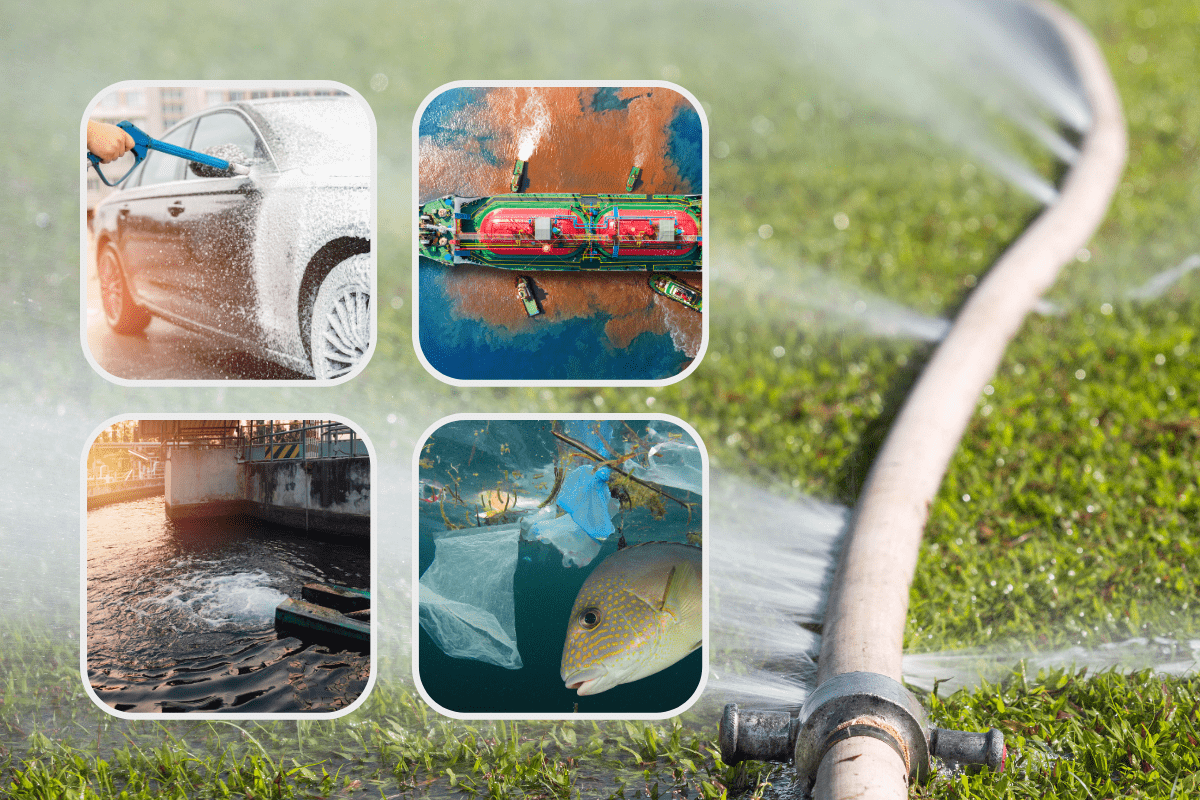
È la risorsa più vitale, ma anche la più utilizzata in modo sconsiderato del pianeta. Secondo l' EPA (Agenzia per la protezione ambientale degli Stati Uniti), una famiglia media può sprecare circa 180 galloni d'acqua a settimana, intenzionalmente o meno. Rubinetti e sanitari vecchi, impianti idraulici difettosi, elettrodomestici inefficienti e persino le nostre abitudini sono tra le cause principali. Oggi, tuttavia, scopriremo altre cause comuni di spreco d'acqua e i loro effetti.
Cause dello spreco d'acqua
Le cause più comuni includono vecchi impianti di scarico, perdite, purificazione dell'acqua tramite osmosi inversa, lavatrici a carica dall'alto, lavaggio a mano delle stoviglie e attività agricole.
Secondo l' EPA (Agenzia per la protezione ambientale statunitense) , nel 2024 una tipica famiglia americana consumava quotidianamente più di 300 galloni d'acqua in casa. Inoltre, il 70% di quest'acqua veniva utilizzata all'interno dell'abitazione. Ma tutta quest'acqua viene utilizzata in modo efficiente? No. Una parte considerevole viene sprecata. Di seguito, analizzeremo come avviene lo spreco d'acqua nel mondo:


Ora esaminiamo nel dettaglio le cause dello spreco d'acqua.
1. Vecchi sistemi di scarico
Vi sorprenderà sapere che in una casa americana media, il bagno consuma oltre il 45% dell'acqua. Di questa, il 27% è utilizzato solo per lo scarico del WC. In una famiglia media, si tira lo sciacquone quasi 5 volte al giorno.
Se avete un vecchio WC che consuma 7 galloni per scarico (GPF), finirete per consumare fino a 12,775 galloni all'anno . Passando a un WC moderno o a basso consumo idrico , che ne consuma circa 1.28, potete ridurre questo consumo del 67%. Risparmierete circa 8,559 galloni all'anno. Se continuate a usare il vostro vecchio sistema di scarico, continuerete a subire sprechi d'acqua.
2. Perdite
Sono piuttosto comuni, ma sapevate che possono sprecare quasi 10,000 galloni d'acqua all'anno? Infatti, quasi il 10% delle case presenta perdite e spreca circa 90 galloni o più d'acqua al giorno.
Le perdite più comuni sono causate da rubinetti che gocciolano, guarnizioni del WC usurate e altre valvole difettose. È possibile ripararle facilmente con pochi attrezzi e componenti. Questi interventi possono ripagarsi da soli grazie al risparmio idrico. Riparando le perdite d'acqua domestiche facilmente gestibili, i proprietari di casa possono risparmiare quasi il 10% sulle bollette dell'acqua.
3. Abitudini quotidiane

Una persona su tre lascia il rubinetto aperto mentre svolge le normali attività quotidiane. Se tu sei quella persona, ecco quanta acqua sprechi:
- Se il rubinetto rimane aperto mentre ti lavi i denti, puòconsuma circa 4 galloni. Spegnendolo quando non si sta risciacquando si consuma meno di un quarto, ovvero circa 0.25 galloni.
- Soffioni doccia normali consumare 5 galloni di acqua al minuto, mentre i soffioni doccia a risparmio idrico ne usano solo 2 galloni al minuto. Una vasca da bagno piena, d'altro canto, richiede 36 galloni di acqua, il che è molto.
- Anche lavarsi il viso o le mani mentre l'acqua scorre utilizza circa 4 galloniDisattivandolo si risparmiano circa 3 galloni, utilizzandone solo 1 ogni volta che si lava.
- Lavare i piatti con l'acqua corrente consuma circa 15 galloni in 5 minuti. Tuttavia, se riempi il lavandino o lavi i piatti senza far scorrere l'acqua, ne utilizzerai solo 5 litri.
4. Purificazione dell'acqua tramite osmosi inversa
I depuratori d'acqua stanno diventando sempre più popolari e vengono installati per risolvere il problema della qualità dell'acqua. Tuttavia, anche questi apparecchi non sono esenti da problemi, in quanto generano acque reflue. Il World Economic Forum afferma che un depuratore d'acqua a osmosi inversa (RO) medio spreca quasi 3 litri d'acqua per ogni litro purificato . Quindi, solo circa il 25% dell'acqua viene purificata, mentre il restante 75% viene sprecato, finendo spesso nelle fognature.
Gestire le acque reflue derivanti dalla purificazione tramite osmosi inversa può essere piuttosto impegnativo. Tuttavia, è sicuramente possibile riutilizzarle. Si possono impiegare per lavare utensili, automobili e vestiti. Possono anche essere utilizzate per innaffiare le piante o per lo scarico del WC.
5. Utilizzo di lavatrici a carica dall'alto e lavaggio a mano dei piatti
Rispetto alle lavatrici a carica dall'alto con agitatore, quelle a carica frontale con certificazione ENERGY STAR consumano quasi il 45% in meno di energia e il 50% in meno di acqua . Negli Stati Uniti, sono attualmente in uso oltre 59 milioni di lavatrici a carica dall'alto. Se le sostituissimo con lavatrici a carica frontale, potremmo risparmiare circa 14.9 miliardi di kWh di energia e 170 miliardi di galloni d'acqua all'anno.
Ora, parliamo del lavaggio a mano dei piatti. Questa pratica consuma più energia e acqua rispetto all'utilizzo di una lavastoviglie certificata ENERGY STAR. Una lavastoviglie di questo tipo consuma meno della metà dell'energia necessaria per lavare i piatti a mano e permette di risparmiare oltre 8,000 galloni d'acqua all'anno.
Inoltre, verifica il consumo medio di acqua pro capite.
6. Abitudini di giardinaggio

Per quanto possa sembrare sconcertante, il giardinaggio è una delle principali cause di spreco d'acqua. Secondo l' EPA (Agenzia per la Protezione Ambientale statunitense) , nel 2017 la famiglia americana media consumava oltre 320 galloni d'acqua al giorno. Di questi, il 30% veniva utilizzato all'esterno e più della metà era destinata all'irrigazione di giardini e prati.
Il consumo di acqua per l'irrigazione esterna varia a seconda della zona. Nelle aree aride come il Sud-Ovest, le famiglie possono utilizzare quasi il 60% dell'acqua necessaria per l'irrigazione esterna. Per controllare il prato, basta calpestarlo: se torna alla posizione iniziale, non ha bisogno di acqua. È inoltre consigliabile utilizzare piante adatte al clima locale , in modo da evitare inutili sprechi d'acqua.
7. Piscine
Per riempire una piscina di dimensioni standard occorrono dai 18,000 ai 20,000 galloni d'acqua. Tuttavia, se la manutenzione della piscina non è efficiente dal punto di vista idrico, si rischia di sprecare acqua e di incorrere in costi elevati.
Le piscine perdono acqua a causa di perdite, evaporazione, pulizia e schizzi . Investendo in nuove attrezzature o adottando metodi di manutenzione mirati, è possibile risparmiare acqua, energia (per le piscine riscaldate) e denaro.
8. Lavaggio auto
Può essere un problema non sapere dove o come lavare la propria auto. In media, i proprietari di casa utilizzano quasi 116 galloni d'acqua per lavare un'auto. Rispetto alla quantità d'acqua utilizzata da un privato solo per il risciacquo, la maggior parte degli autolavaggi commerciali utilizza quasi il 60% in meno di acqua per l'intero processo.
9. Produzione di carne
Sapevi che la carne richiede più acqua per essere prodotta rispetto a qualsiasi altro gruppo alimentare? L'acqua viene utilizzata durante tutto il processo di produzione. Viene utilizzata per dissetare le mucche e anche per irrigare le colture che diventano il loro mangime.
- Il consumo di carne è responsabile del 30% dell'impronta idrica degli Stati Uniti.
- Per fare un hamburger da ¼ di libbra, ci vogliono circa 53 litri d'acqua.
- Per produrre mezzo chilo di pollo sono necessari 518 litri d'acqua.
- Per una libbra di carne di maiale sono necessari 718 litri d'acqua.
Oltre alla carne, anche altri prodotti di origine animale consumano grandi quantità di acqua.
- Per produrre mezzo chilo di uova sono necessari 395 litri d'acqua.
- Per produrre una libbra di formaggio sono necessari 382 litri d'acqua.
- Per una libbra di burro sono necessari 665 litri d'acqua.
- Per produrre due pinte di latte occorrono 122 galloni d'acqua.
10. Attività agricole

A causa dell'espansione di colture ad alto consumo idrico come mais, riso, grano, cotone e canna da zucchero, la quantità di acqua sprecata in agricoltura è aumentata significativamente. Ad esempio, per produrre un sacco di zucchero da 5 libbre (circa 2,2 kg) vengono utilizzati quasi 88 galloni (circa 320 litri) d'acqua .
Queste colture ad alto consumo di acqua sono tra le principali cause di spreco di acqua. Mentre continuano a crescere, è molto importante per l'industria agricola sviluppare e adottare tecnologie avanzate di gestione dell'acqua. Ciò li aiuterà a rilevare e ridurre al minimo lo spreco di acqua.
11. Produzione di bevande
Non solo coltivare cibo, ma anche produrre bevande è responsabile della pressione esercitata sulla nostra riserva idrica. Bevande comuni come birra, caffè e altre implicano la coltivazione di ingredienti come chicchi di caffè, orzo, cioccolato, zucchero, limoni o vaniglia. Tutti questi richiedono notevoli quantità di acqua.
- Per produrre una bottiglia di birra da 12 once sono necessari circa 28 litri d'acqua (equivalenti a 37 galloni per pinta per chi preferisce la birra alla spina).
- Per coltivare, elaborare e trasportare abbastanza chicchi per una sola tazza di caffè, avrai bisogno di circa 140 litri d'acqua.
È giusto godersi queste bevande, ma è anche fondamentale essere consapevoli dell'impatto ambientale a cui contribuiamo.
12. Tessile e abbigliamento
Forse non te ne sei ancora reso conto, ma la produzione di abbigliamento è tra i settori industriali che consumano più acqua. Per realizzare un solo paio di jeans, ad esempio, vengono utilizzati quasi 9,982 litri d'acqua .
Ma ora che gli effetti ambientali della moda usa e getta stanno diventando visibili a noi e al mondo intero, aziende come H&M e Levi's stanno cercando soluzioni per ridurre al minimo il consumo di acqua. Anche tu puoi contribuire a questo spreco idrico optando per negozi di abbigliamento di seconda mano o piattaforme online come ThreadUp , che ti offrono la possibilità di acquistare vestiti usati.
13. Produzione automobilistica
L'industria automobilistica utilizza l'acqua principalmente per la verniciatura, le cabine di verniciatura a spruzzo, il trattamento delle superfici, il raffreddamento, i sistemi di climatizzazione e le caldaie. Infatti, la produzione di una nuova auto e dei suoi quattro pneumatici richiede circa 39,090 galloni d'acqua . Quindi, prima di pensare di sostituire la tua auto attuale, considera anche questi fattori.
14. Estrazione

Mentre l'estrazione del carbone è notevolmente diminuita, il settore si è espanso. Sta estraendo litio e altri materiali importanti per pannelli solari, veicoli elettrici e altre fonti di energia rinnovabile.
Spesso, le attività minerarie si svolgono in regioni con scarse risorse idriche. Questi luoghi mettono a dura prova risorse idriche già limitate. È fondamentale per l'industria mineraria migliorare i metodi di trattamento delle acque reflue e ridurre il consumo idrico ove possibile.
15. Uso improprio dell'acqua dovuto a negligenza e furto d'acqua
Vi sorprenderà sapere che circa il 22-25% dell'acqua viene persa durante il trasporto, la distribuzione o addirittura a causa dei furti. In alcuni paesi, si verificano abusi o usi impropri dell'acqua in diverse località, in particolare in:
- Stazioni di servizio
- Piccole articolazioni alimentari
- Stabilimenti illegali
Quanto detto sopra spiega come viene sprecata l'acqua nel mondo. Ora vediamo i modi principali in cui viene sprecata.
Leggi anche: Oltre 25 modi pratici per ridurre l'inquinamento idrico
I modi principali in cui sprechi acqua
- Far scorrere l'acqua mentre ci si lava i denti o ci si rade.
- Lasciare scorrere il rubinetto finché l'acqua non diventa fredda, invece di conservare l'acqua fresca nel frigorifero, è uno spreco.
- Non usare un tappo quando lavare i piatti a mano può comportare uno spreco di acqua.
- Impostare temperature elevate dell'acqua nelle piscine o nelle spa ne provoca l'evaporazione.
- Usare una lavastoviglie non piena comporta uno spreco di acqua.
- Lavare piccoli carichi di vestiti in lavatrice.
- Lavaggio dei tessuti o oggetti nel water sprecano circa 19-23 litri di acqua a ogni scarico.
- Fare docce lunghe o calde senza un soffione doccia a basso flusso si spreca acqua.
- Riempire troppo la vasca da bagno spreca molta acqua. Piccole quantità sono più che sufficienti per animali domestici e bambini piccoli.
- Non aggiornando gli elettrodomestici che consumano molta acqua come i servizi igienici a versioni a basso consumo energetico, si incoraggia lo spreco di acqua.
- Annaffiare il prato nelle giornate ventose può far sì che l'acqua venga spazzata via e evapori più velocemente.
- Trascurare le perdite negli impianti domestici. Può portare a perdite d'acqua significative e persino a bollette più alte.
- Non usare una copertura per piscina consente all'acqua di evaporare. Quindi, avrai bisogno di più acqua per mantenere i livelli corretti.
- Irrigare più di tre volte alla settimana durante la stagione calda può essere eccessivo; meglio annaffiare al mattino presto o alla sera tardi.
- Pulizia dei marciapiedi con un tubo invece di una scopa. Usare una scopa può far risparmiare circa 150 galloni di acqua ogni volta.
Riferimento incrociato: In che modo le azioni umane possono influire seriamente sulle risorse idriche?
Effetti dello spreco di acqua

Può avere impatti negativi sul nostro ambiente, economia e società. Per affrontare questi problemi, è fondamentale conservare l'acqua e usarla in modo sostenibile. Diamo un'occhiata ai principali effetti dello spreco di acqua:
1. Effetti ambientali
a) Scarsità ed esaurimento dell'acqua
- Sprecando acqua, si invita la scarsità, soprattutto nelle zone aride. Questo porta all'erosione del suolo, alla desertificazionee perdita di vegetazione.
- Il suo esaurimento colpisce l'agricolturaCiò non solo riduce la produzione alimentare, ma provoca anche instabilità economica.
b) Effetti sulla biodiversità e sulla vita acquatica
- Con lo spreco, la disponibilità di acqua si riduce. Ciò mette a rischio gli habitat acquatici e compromette la sopravvivenza della vita acquatica.
- Contaminazione da acque reflue e inquinanti presenta anche rischi per la salute degli esseri umani facendo affidamento su queste fonti d'acqua.
c) Contributo al cambiamento climatico
- Per trattare e distribuire le acque reflue è richiesta molta energia. Ciò si traduce in aumento delle emissioni di gas serra.
- A causa dello spreco di acqua, le risorse di scarto vengono esaurite. Ciò riduce sequestro del carbonio nelle foreste e peggiora gli impatti del cambiamento climatico.
Comprendendo questi effetti sull'ambiente, diventa chiaro che solo conservando l'acqua saremo in grado di costruire un futuro sostenibile.
Vedi anche: 30 fatti e statistiche sorprendenti sulla gestione dei rifiuti
2. Effetti economici
a) Aumento delle bollette e dei costi dell'acqua
- spreco innesca un'elevata richiesta di acquaCiò comporta un aumento delle bollette dell'acqua per le vostre case e aziende.
- Le aziende di servizi idrici potrebbero essere costrette a investire di più in manutenzione e infrastrutture. Ciò si tradurrà in tariffe o tasse più elevate per l'uso dell'acqua.
b) Perdita di fatturato per le imprese
- L'acqua è un input cruciale per numerose attività commerciali. Ad esempio, agricoltura, lavorazione alimentare e produzione.
- Lo spreco di acqua creerà carenze per queste attività. Ciò avrà un impatto sulla loro capacità produttiva e redditività. Ciò può anche potenzialmente comportare perdite di posti di lavoro o chiusure di aziende.
c) Impatto sulla produzione agricola e sui prezzi dei prodotti alimentari
- Cos'è l'agricoltura senza acqua? Niente. Se la sprechiamo senza pensarci due volte, ci troveremo ad affrontare una riduzione della produzione agricola e anche qualità del prodotto abbassataTutto ciò a sua volta aumenterà i costi di produzione.
- I consumatori potrebbero aver bisogno di pagare prezzi più alti per il cibo a causa di tutto questo. Ciò accadrà in particolar modo nelle regioni fortemente dipendenti dall'agricoltura.
3. Effetti sociali
a) Accesso diseguale alle risorse idriche
- L'accesso all'acqua pulita e sicura non è lo stesso nelle diverse parti del mondo. Le aree rurali o urbane povere sono spesso quelle che devono fare i conti con la scarsità d'acqua e la qualità inferiore dell'acqua.
- Lo spreco di acqua peggiora ulteriormente questo problema. rende le cose più difficili per coloro che hanno veramente più bisogno di acqua.
- Questo in particolare grava sulle comunità vulnerabili, in particolare donne e ragazze. Devono percorrere lunghe distanze per procurarsi l'acqua.
b) Rischi per la salute e malattie trasmesse dall'acqua
- L'acqua sprecata è la causa principale dell'accumulo di acqua stagnante, che diventa un terreno fertile per le zanzare e altri organismi nocivi.
- Questo aumenta le possibilità di contrarre malattie come il colera, il tifo e la diarrea. Le malattie colpiscono gravemente le comunità con accesso limitato all'assistenza sanitaria.
c) Impatto sulle opportunità di istruzione e di occupazione
- Nelle famiglie con carenza d'acqua, le donne e i bambini sono i gruppi più colpiti. Sono costretti a passare la maggior parte del loro tempo a prendere l'acqua.
- Ciò sottrae loro tempo prezioso che avrebbero potuto dedicare alla loro istruzione o ad altre attività generatrici di reddito.
- Inoltre, la scarsità d’acqua o la scarsa qualità dell’acqua possono creano sfide operative per le aziende e le industrie. Potrebbero addirittura dover chiudere.
Con questo, hai imparato come le nostre abitudini e attività comuni siano le principali cause dello spreco d'acqua. Consapevolmente o inconsapevolmente, stiamo contribuendo a un problema enorme. Ciò influenzerà il nostro ambiente, la società e le condizioni economiche del paese. Quindi, è giunto il momento di iniziare a fare introspezione e cambiare. Ciò che è fatto è fatto, ora è il momento di cambiare ciò che verrà. Quindi, usa l'acqua saggiamente!
Consigliato: Cause, effetti e soluzioni all'esaurimento delle acque sotterranee